
Stargazing - Near Total Lunar Eclipse
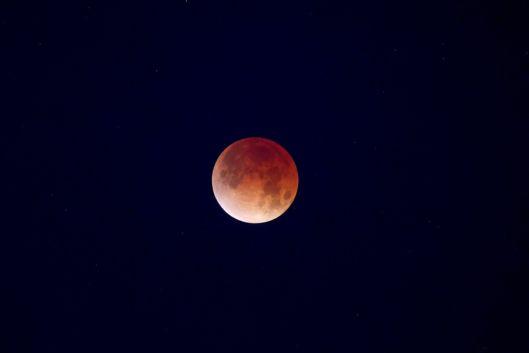


Join the Stargazing Devils to watch an exceptional lunar eclipse at midnight (12 AM) on the night of Aug. 27th. The Full Moon will slip through Earth's shadow, resulting in a partial lunar eclipse. It will be visible from much of North and South America and parts of Europe and Africa. At maximum eclipse, about 93% of the Moon's diameter will be inside Earth's dark central shadow, called the umbra. The Moon will not be completely covered, but it can look dramatically darkened, with a rusty, coppery tint along the covered edge.
Unlike a solar eclipse, a lunar eclipse is safe to watch with just your eyes. Binoculars or a small telescope can give you a closer view of Earth's curved shadow moving across the Moon. Source - NASA
Check the Duke Teaching Observatory Website for updates (link below)