
“Iranian Islamic Architecture Through the Eyes of Myron Bement Smith”
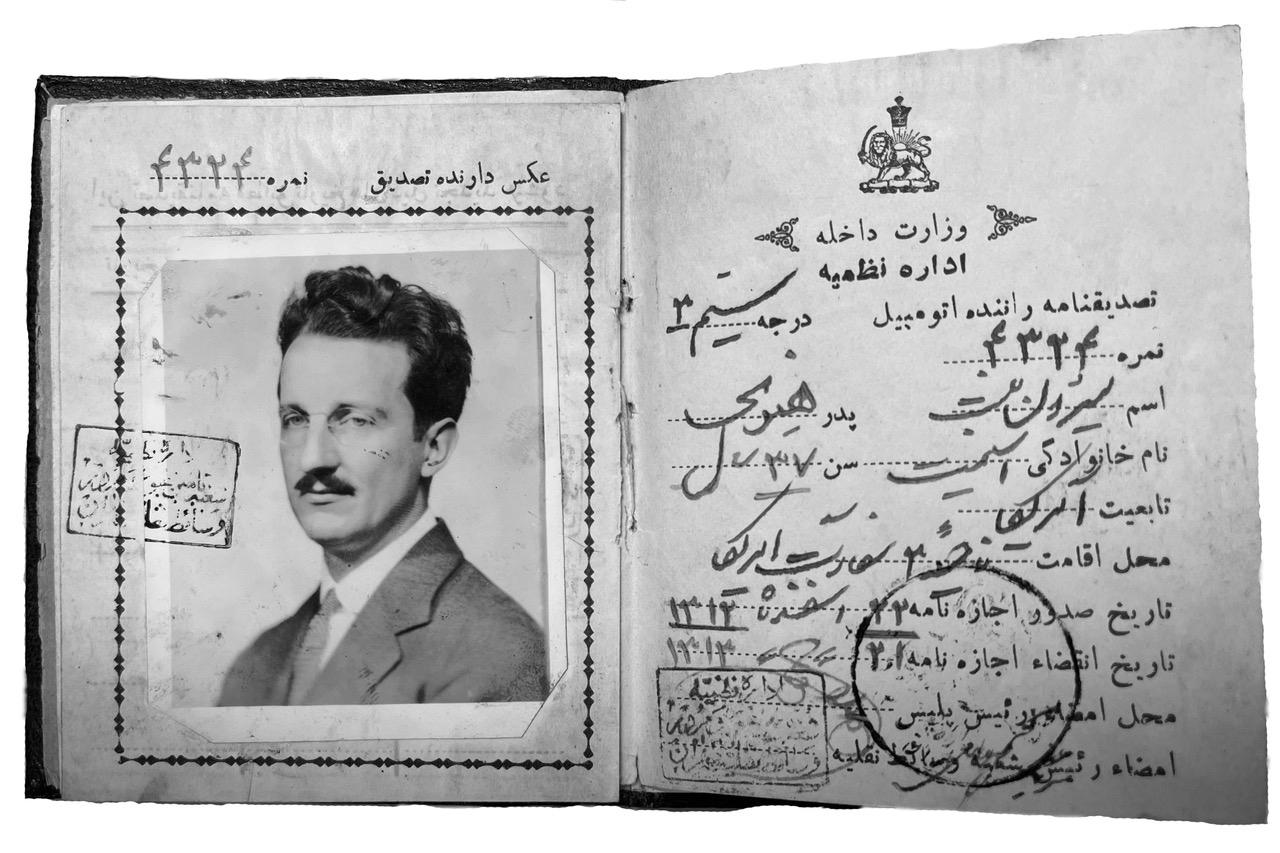


Art, architecture, and archaeology played a new nation-building role-among the several modernizing reforms initiated by Reza Shah Pahlavi (r. 1925-1941), ruler of Iran-, including his mandate that Islamic architecture now be made available to non-Muslims. While the story of this "first start" of academic inquiry by non-Iranian architectural historians continues to take on a sharper focus in recent scholarship, there is one figure who remains neglected and virtually forgotten, the American Myron Bement Smith (1897-1970). Alienated from his American contemporaries, Smith sought alliance with André Godard, founding Director of the Archaeological Services of Iran and Director of the Iran Bastan Museum, Tehran, and conducted several years of fieldwork and produced, throughout the 1930s, a steady stream of monographic studies on Islamic-period monuments.
Smith's return to the United States in 1938 was followed by a protracted period of scant opportunity. Though he completed the Ph.D. at Johns Hopkins University in 1947, his study of the vault in Iranian Islamic Architecture-that might have secured his recognition then, and now-was unpublished at his death and remains so. How might our understanding of the history of the study of Iranian Islamic architecture be different by defining Smith's approach to architecture as an object and field of study, and in triangulated relation to those approaches adopted by his peers? The lecture draws from a vast archive gifted by Smith's widow, Katharine Dennis Smith, to the Anthropological Archives of the National Museum of Natural History, Smithsonian Institution, in 1972.
The talk will take place in Room A266 Bay 10 on the second floor of Smith Warehouse. Free and open to the public.